




At Chapel Down, our wines reflect a journey that begins long before the bottle reaches your glass. While spring and harvest often capture attention, early in the year is a crucial and fascinating time both in the vineyard and in the winery. January and February may appear quiet to the eye, but below the surface, this period is rich in preparation, precision, and care.
As 2026 begins, our estate in Kent is focused on both the land and the cellar. Every decision we make at this stage has a direct impact on the quality of our still and sparkling wines. Here's what really happens behind the scenes in the early months of the winemaking year.
Dormant Vines, Active Hands: Winter in the Vineyard
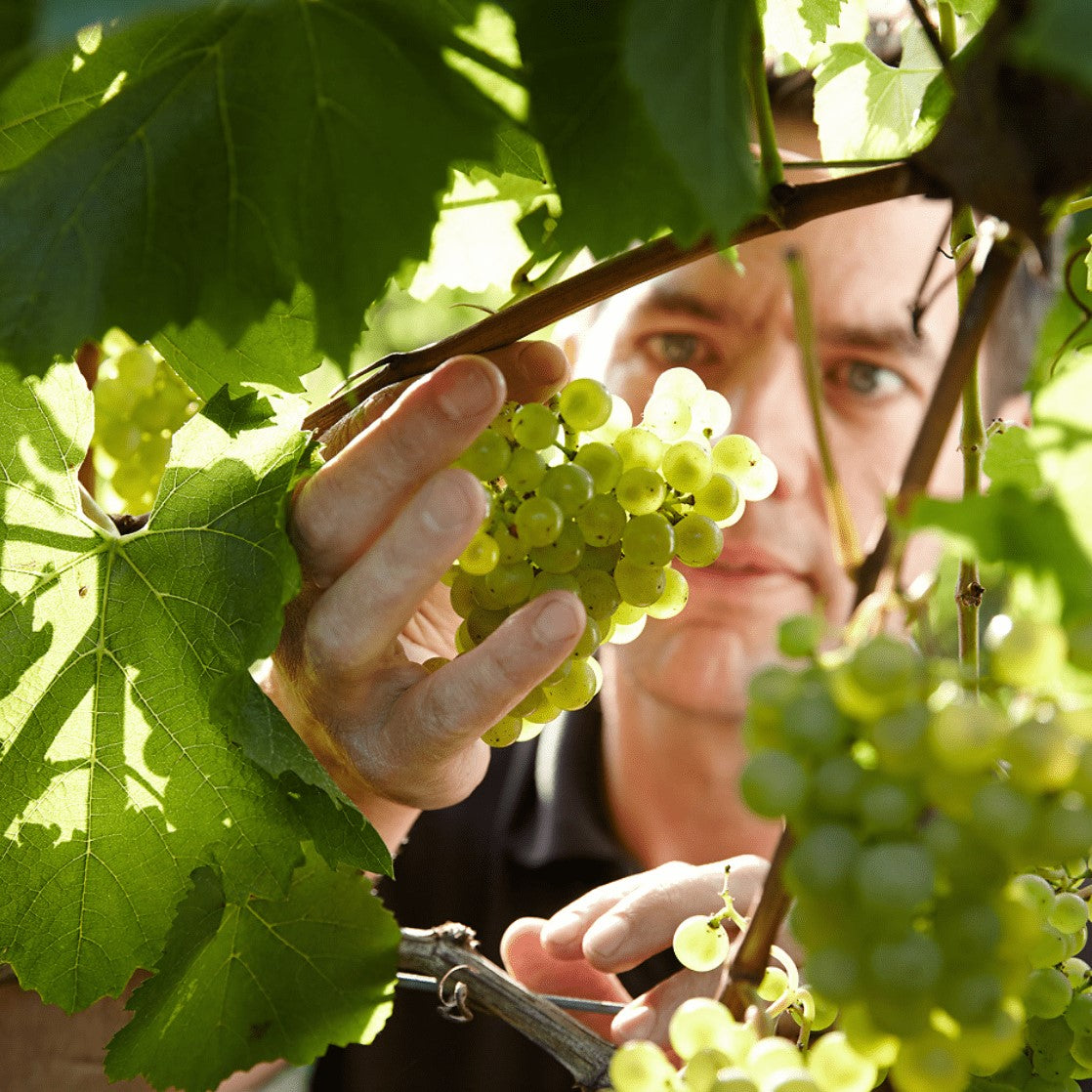
In January, the vines are in a state of dormancy. Stripped bare of their leaves and fruit, they may look like they're resting, but this is a busy time for our vineyard team. Winter pruning is one of the most important tasks of the entire viticultural calendar.
Pruning sets the tone for the coming vintage. It controls the yield, directs vine growth, and lays the groundwork for healthy, balanced fruit later in the year. At Chapel Down, pruning is done by hand. This gives us the opportunity to assess each vine individually and make decisions based on its age, vigour, and health.
This process isn't rushed. Precision is key. We work methodically, cane by cane, to ensure each vine is left with just the right number of buds. These buds will become shoots, and then bunches of grapes, in the growing season ahead. It's a time for focus and experience, and our team draws on years of practice to get it right.
Protecting the Vineyard
The cold weather brings challenges as well as benefits. While frosty conditions are a natural part of the vine's lifecycle, extreme weather can be damaging. Our team remains on alert for any prolonged cold snaps or risks of waterlogging, especially on sloped or clay-rich soils. Vineyard maintenance also continues through winter, including repairing trellises, maintaining drainage, and managing wildlife habitats around the vines.
Early-year tasks are also an opportunity to check on young plantings and prepare new areas of the vineyard, if expansion is planned. With England's wine industry continuing to grow, each year brings a fresh sense of momentum and possibility.
A Quiet but Crucial Time in the Cellar
While the vines sleep, the winery is very much awake. Inside the cellar, our winemaking team is focused on maturing, blending, and bottling. Wines from the previous harvest are developing in tank or barrel, and decisions made at this stage will shape the final cuvées.
For our Traditional Method sparkling wines, such as Chapel Down Brut and Rosé, early 2026 is the time to finalise base wines. These still wines, made from the previous year's grapes, are tasted, assessed, and blended. Each component brings something unique, freshness, body, structure, or fruit character, and together they form the backbone of the sparkling wine to come.
Once the blend is finalised, the wine is bottled with yeast and sugar to begin its secondary fermentation. This is what creates the fine bubbles for which our sparkling wines are known. After bottling, the wines are laid down to rest, where they will mature on lees for a number of months or years, depending on the style.
Bottling and Labelling Still Wines
At the same time, early spring sees the final stages of preparation for some of our still wines, such as Bacchus 2024, Flint Dry 2024, and Chardonnay 2023. These wines may be stabilising, undergoing final filtration, or being readied for bottling.
Label approval, packaging decisions, and tasting assessments all come into play. By getting this right now, we can ensure the wines are released on schedule and meet the standards our customers expect. Every bottle represents not just the growing season, but the craftsmanship and care behind it.
Planning the Year Ahead
January and February are also times of planning. In the vineyard, teams assess fertilisation schedules, review equipment needs, and prepare for spring frost protection if needed.
In the cellar, longer-ageing wines like our Kit's Coty Chardonnay 2023 or Rosé Reserve 2021 continue to mature. These wines benefit from extended ageing and represent some of the finest expressions of what Chapel Down can produce.
While some wines from 2025 will be released in early 2026, others are destined for release in 2027 or beyond. The decisions made now affect not just this year's vintage but the future character of Chapel Down's range.
Tasting and Quality Checks
Throughout the cellar, barrels and tanks are sampled regularly. Tasting is an essential part of the winemaking process, and January is no exception. It allows our winemakers to spot any issues early, assess the development of each wine, and ensure consistency across batches.
Blending trials also take place at this time. This is particularly important for our Award Winners Case and mixed selections, which aim to provide a curated experience of Chapel Down's style. By carefully tasting and selecting components, our winemakers can ensure each case delivers both variety and harmony.
Sustainability in Practice
Winter is also a time to reflect on sustainability. As part of our ongoing commitment to responsible winemaking, we use the quieter months to review energy use, evaluate materials, and improve practices across the estate. From reducing carbon emissions to protecting local biodiversity, these small changes contribute to the long-term health of our environment and our vines.
Supporting Our Team
Just as the vineyard needs care, so does the team behind it. Training, rest, and development are part of the early-year rhythm at Chapel Down. We invest in our people, ensuring that as the pace picks up through spring and summer, our teams are ready, equipped, and motivated.
Looking Ahead to the First Buds
By March, the first signs of growth will begin to emerge. Budburst signals the start of the new growing season and sets the stage for everything to come. But without the groundwork laid in January and February, that growth would not be possible.
Final Thoughts
From vineyard to cellar, early 2026 is a season of preparation. It may not be as visible as harvest or bottling day, but it is just as vital. At Chapel Down, we believe that excellence starts with attention to detail, and the work done now is what ensures the quality you taste in every glass.
As we move into the year, we look forward to sharing more of our journey, one bottle at a time. Whether you're enjoying a crisp Bacchus, a sparkling Brut, or a still Chardonnay, you are tasting the result of months of dedicated work, much of it done before the first spring leaves appear.


